
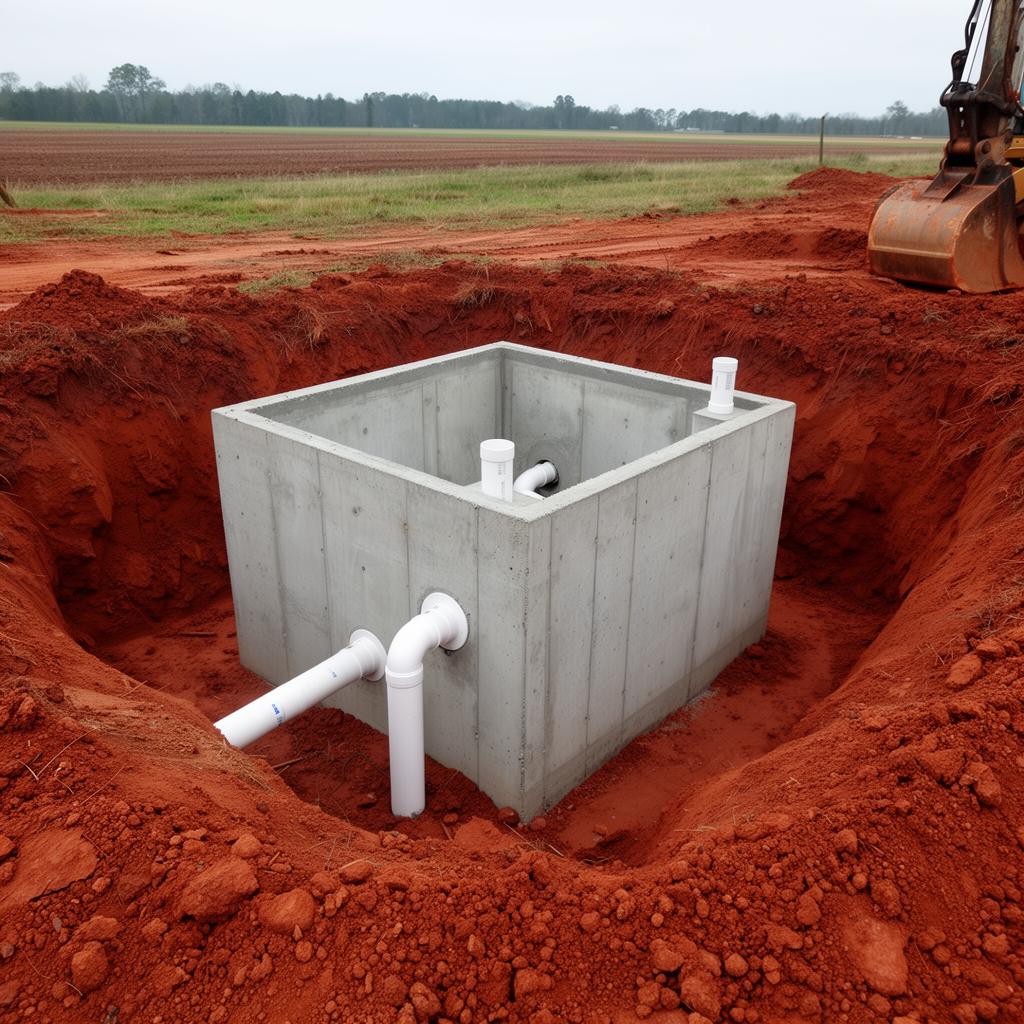
SERVICE // 30+ YEAR SERVICE LIFE
Septic Tank Installations in West Tennessee
New construction, full system replacement, or a failed tank that needs to come out and a new one to go in. We install reliable systems built to last 30+ years, designed to your soil, lot size and household, and we handle the permit so you don't have to.
WHAT WE DO
The full job.
Not the shortcut.
Every septic installations job includes everything below. No surprise add-ons.
- New residential installations
- New commercial installations
- Full system replacements
- Field line repair and replacement
- Permit coordination with county health
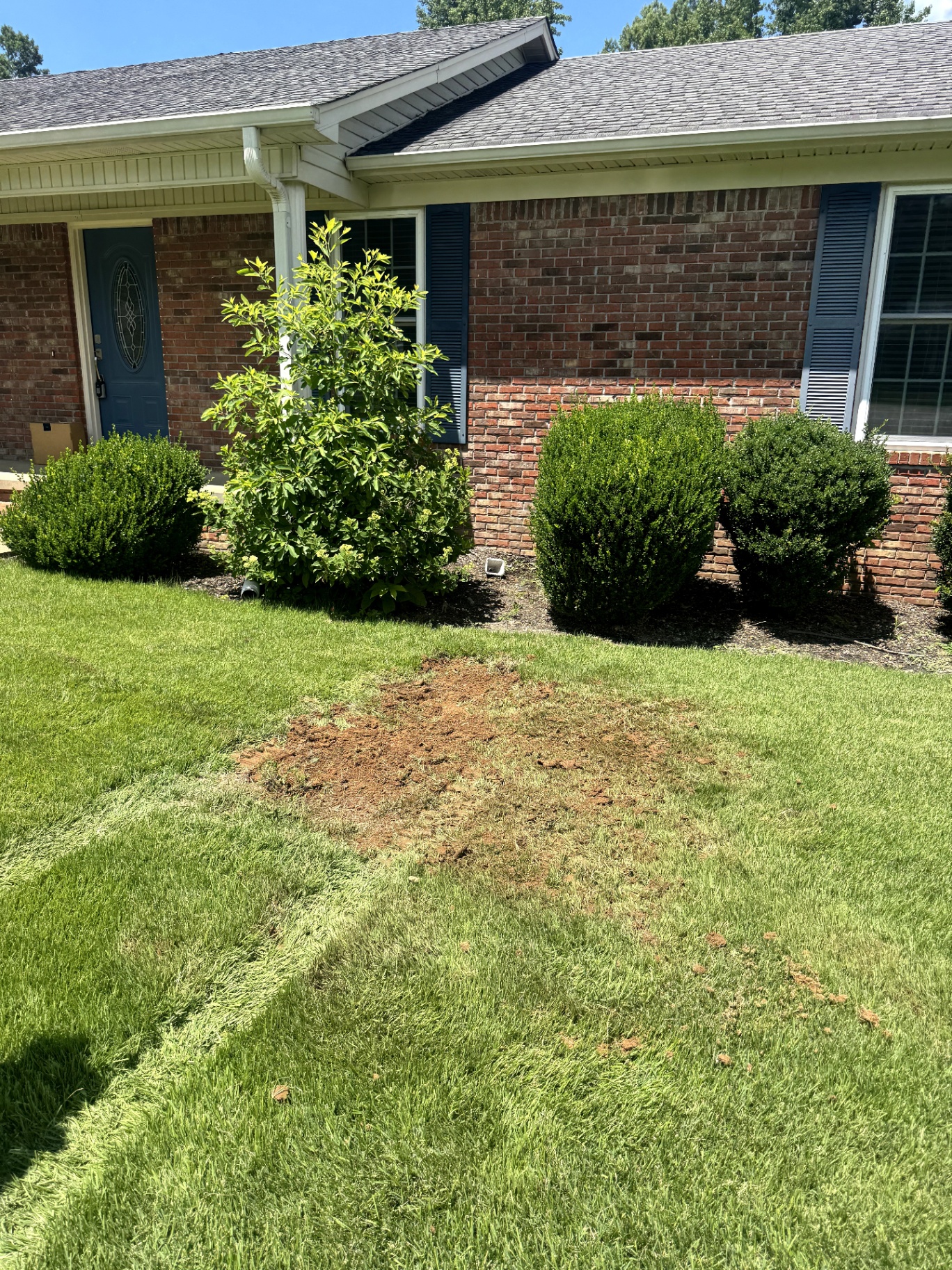
- Site grading and clean restoration
ON THE JOB
Septic Installations in Jackson and across West Tennessee.
PROCESS // STEP BY STEP
How a septic installations job runs.
01
Site visit
We walk the property, talk soil, slope, county requirements and household size.
02
Permit & design
We coordinate the permit and design the system to code and to your land.
03
Install
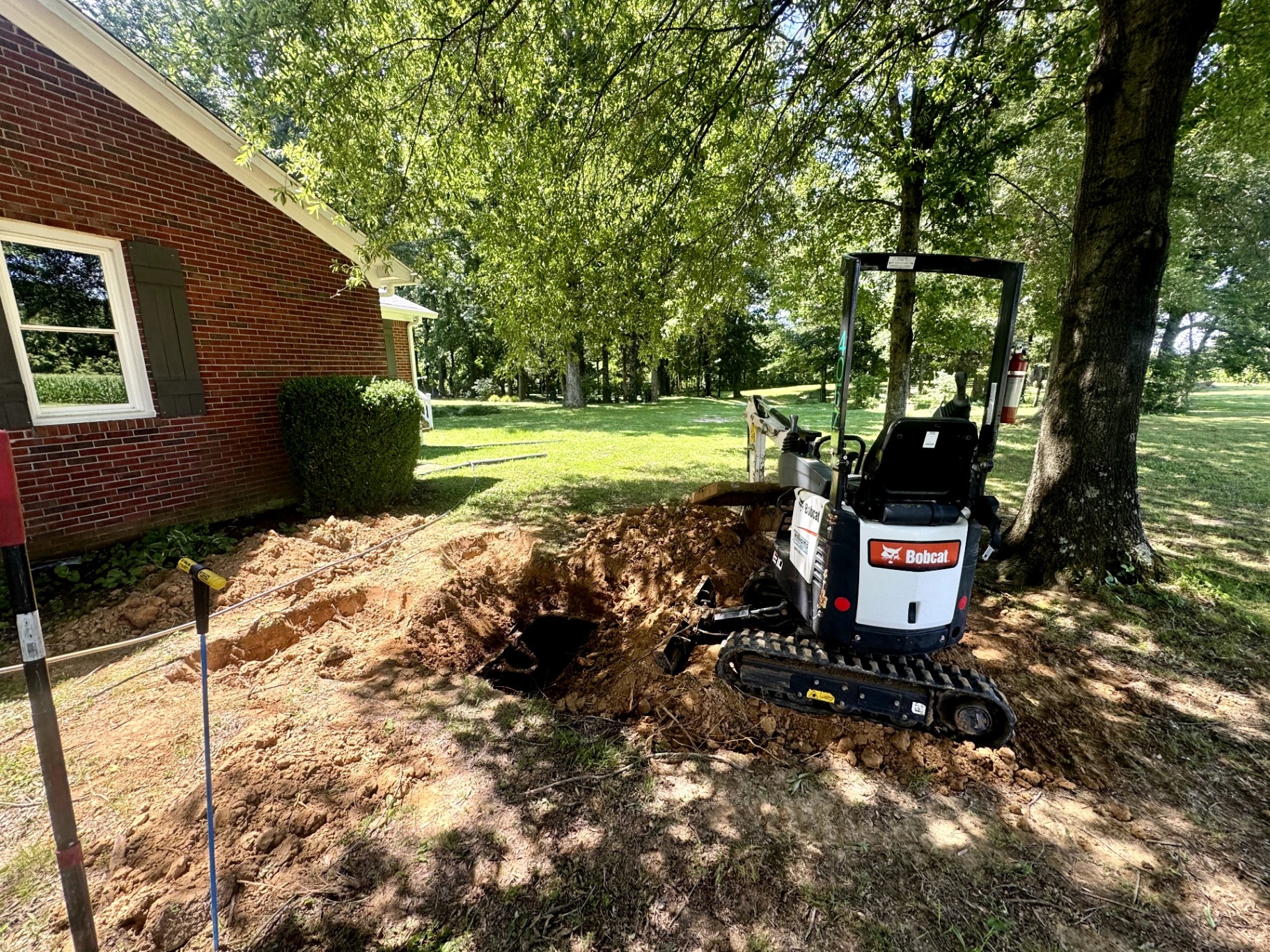
Dig, set, plumb, backfill. Quality concrete tanks and properly graded field lines.
04
Inspection & sign-off
Final county inspection and we restore the site clean.
ON YOUR ROAD
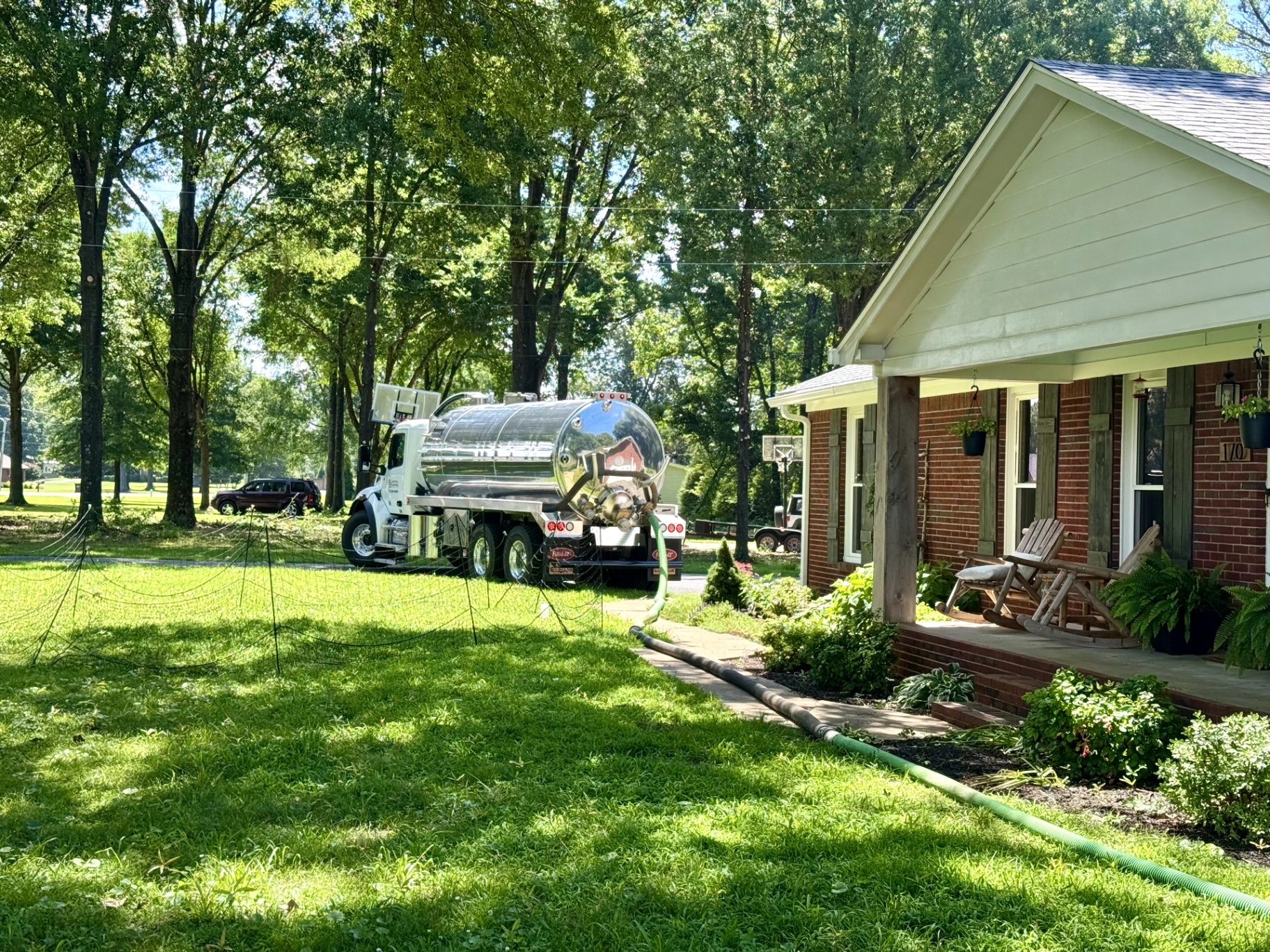
Locally owned. On time. We treat every septic installations job like it's the last call of the day.
SYSTEM OPTIONS
System types we install
West Tennessee soils run from sandy loam to heavy red clay, and the soil dictates which system the state will approve for your lot.
Conventional gravity
Good percolation soils with enough slope. The standard, lowest-cost system.
Low-pressure pipe (LPP)
Tighter clay soils or shallow water tables where gravity won't distribute evenly.
Pressure distribution
Larger homes, sloped lots or repair jobs where even loading across the field is critical.
Drip dispersal
Difficult sites with limited area or poor soils. Slow, even application across a small footprint.
Pump-up systems
When the field line sits higher than the tank. Sealed pump tank moves effluent on demand.
TIMELINE
Timeline from quote to sign-off
Most residential installs run 4 to 8 weeks from your first call to final county sign-off. Weather, soil scheduling and permit volume drive the variance.
Week 1
Site visit & quote
We walk the lot, confirm scope, and write the quote. If a soil evaluation isn't on file, we get it started.
Weeks 2-3
Soil & permit
Soil evaluation completes. We submit the permit application and the system design to county environmental health.
Weeks 3-5
Permit issuance
County review and issuance. Timing depends on the county's queue. We track it and follow up.
Week 5-6
Install
2 to 4 working days on site. Excavation, tank set, plumbing, field line, backfill.
Week 6-8
Final inspection
County inspector signs off the system. We restore the surface, grade and seed bare soil.
MATERIALS
Materials & warranty
We install with materials that survive West Tennessee soil chemistry and freeze-thaw cycles. No bargain plastics, no shortcut field line.
- Concrete tanks
- Locally cast 1,000 to 1,500 gallon tanks, traffic-rated lids, sealed seams. Rated for a 30+ year service life.
- Risers to grade
- Polyethylene risers with bolted, gasketed lids included on every install. No buried lids on day one.
- Field line materials
- Solid-wall 4-inch perforated pipe in graded gravel or approved chamber systems, sized to the soil report.
- Workmanship warranty
- Two-year workmanship warranty on every install. Tank manufacturer warranty passes through to you.
FROM THE FIELD
Permits, perc tests and soil
Every new septic system in Tennessee starts with a soil evaluation through the local environmental health office, not with a tank. A licensed soil scientist or the state evaluates your lot for usable soil depth, texture and seasonal water table, and that evaluation determines what kind of system you're allowed to install and how much field line area you need. We coordinate this from day one. Once the soil report is in hand, we design the system to fit, submit the permit application, and schedule the install around the county's inspection windows. Skipping this and trying to install without a permit voids your homeowner's coverage, can prevent the home from being sold later, and in most counties triggers an order to remove the system at your expense. Doing it right takes a few extra weeks. Doing it wrong takes years to undo.
FIELD NOTES // HOW IT WORKS
Your septic system, in plain English.
01 // INLET
Everything from your house flows into the tank. Toilets, sinks, laundry, all of it.
02 // SEPARATION
Solids settle to the bottom as sludge. Grease and lighter waste float as scum. Liquid sits in the middle.
03 // DISCHARGE
Only the middle liquid layer exits through the outlet baffle into your field line, where the soil filters it.
04 // WHY PUMPING MATTERS
When sludge or scum gets too thick, solids reach the field line. Field lines plug. Repairs run thousands. Pump every 3 to 5 years and the system lasts decades.
FAQ // STRAIGHT ANSWERS
Questions about septic installations
Honest answers from people who do this every day. If you don't see your question, call us.
REQUEST SERVICE
Ready when you are.
Send a quick request or call us. We will get back to you fast.
Service area: Jackson, Medina, Humboldt, Milan, Trenton, Brownsville, Bells, Three Way.